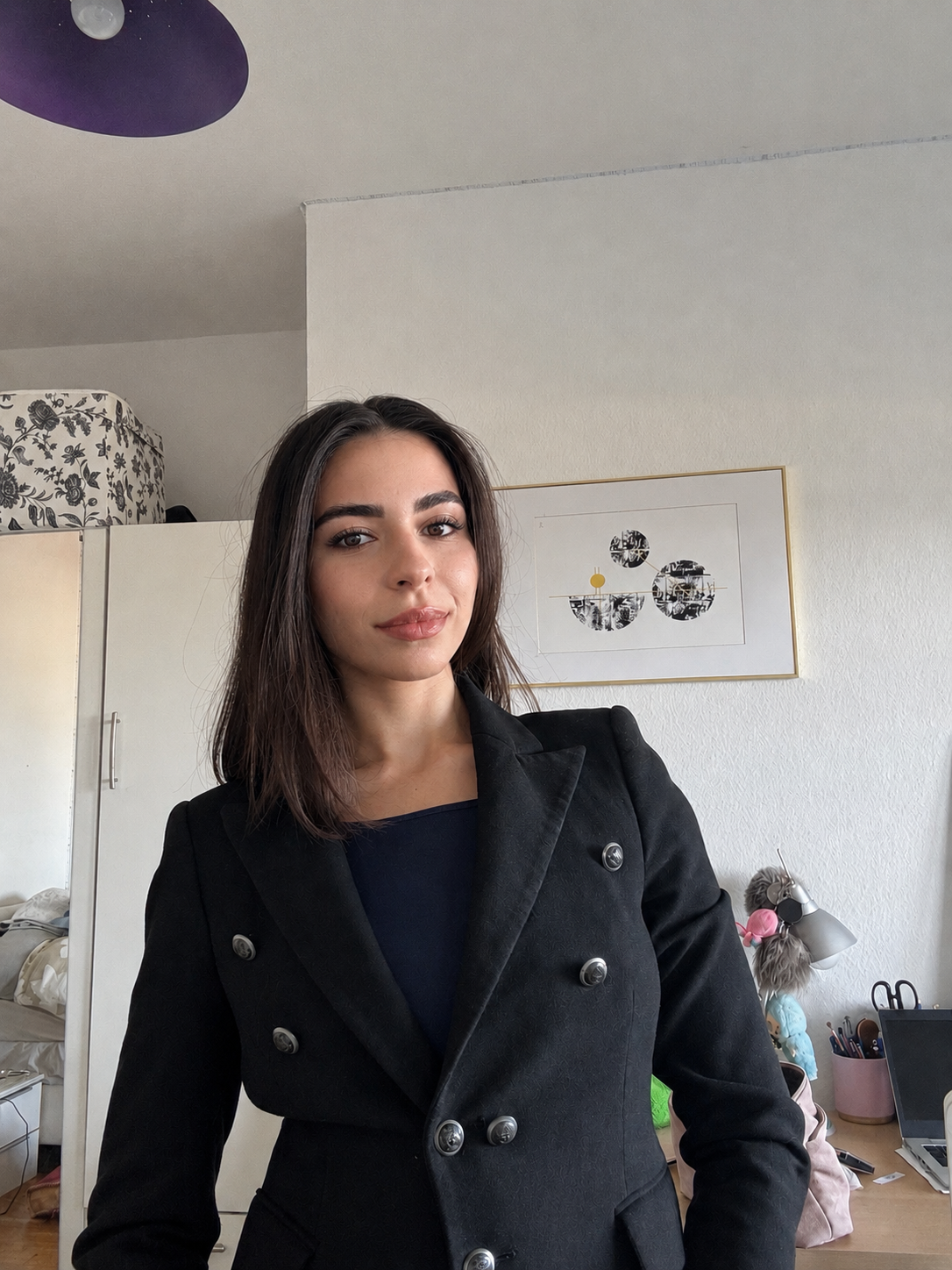
Lea
General staff profile
• Hostess – Eurobike Event, Messe Frankfurt
25.–29. Juni 2025
• Hostess – Water Lantern Festival, ...
View Profile
Make your language requirements clear before your next exhibition or business meeting. Request interpreting support by language pair, subject and event format — from individual stand conversations to separately scoped conference assignments.

Explore existing event pages and include your event name and dates in the enquiry — from industrial B2B mega-events to international consumer exhibitions. Locally based in every venue city.
+ All further German trade fairs, exhibitions, congresses and corporate events
These are general staff profiles from our existing database, not a verified interpreter shortlist. Request a selection for your exact language pair and subject; interpreting qualifications and availability must be confirmed before booking.










Request staff profiles for your assignment — we will discuss a personalised selection matched to your specific trade fair and requirements.
Request Matching Profiles — FreeChoose the format according to your audience, language combination and subject. Specialist assignments require separately confirmed qualifications and arrangements.
Describe the language pair, visitor discussions and technical depth required at your exhibition stand.
Share the agenda, participants and subject so qualifications can be matched to the assignment.
Request a format with interpretation between spoken segments and allow for the additional time.
Discuss specialist qualifications, equipment, working conditions and team arrangements separately.
For reception and general visitor assistance, request the language skills needed without treating hosting as specialist interpreting.
Provide terminology, presentations, schedule and venue details before the assignment.
A useful proposal explains the interpreting task and the practical arrangements. Compare the scope, not just the headline price.
Get a Quote NowInternational exhibitions bring together people who may share an industry but not a working language. A language barrier can affect how precisely a product is explained, how questions are understood and how next steps are agreed. Tell us what kind of conversations you expect before requesting an interpreter for your event in Germany.
An interpreter enquiry should identify the language combination, subject, location and format. A conversation at a busy exhibition stand differs from a scheduled negotiation, a guided tour or a conference presentation. Define these conditions early so the required qualifications and practical arrangements can be assessed.
Describe whether visitors will arrive without appointments or attend planned meetings. Include the likely conversation length, technical depth and expected visitor volume. If language support is required throughout the day, identify when the interpreter must be available and when preparation or breaks can take place.
For product conversations, supply brochures, specifications and an approved glossary. Identify your own product specialists and clarify when they should join a discussion. The interpreter should have the information needed to convey your message accurately; the role does not automatically include technical consulting or sales responsibility.
For business meetings, share the agenda, number of participants, language directions and relevant documents in advance. Explain whether the discussion concerns a general introduction, commercial conditions, technical specifications or another specialist topic.
If confidential information will be discussed, agree document handling and confidentiality arrangements before sending material. State any qualification or subject-experience requirements in the enquiry rather than assuming all multilingual staff can undertake a negotiation assignment.
In consecutive interpreting, a speaker delivers a segment and pauses while the interpreter conveys it in the other language. Allow for this additional speaking time when planning the agenda and discuss how long each contribution should be.
Simultaneous interpreting follows the speaker with a short delay. It is a specialist assignment requiring appropriate working conditions and equipment. Discuss interpreter numbers, breaks, sound, microphones and technical support as part of a separately scoped conference enquiry. Do not assume ordinary bilingual stand staffing includes this service.
Interpreting concerns spoken communication; translation concerns written material. If you need translated brochures, a presentation script or documents as well as spoken support, describe these as separate deliverables with their own deadlines and requirements.
Bilingual hostesses and hosts may assist with reception, appointments and general visitor guidance. Specialist interpreting requires a different assessment of language competence, subject knowledge and interpreting experience. Choose the role according to the conversation, not simply the language listed on a profile.
A precise brief improves the relevance of the response. Start with your event name, city, venue, dates, daily hours and contact person. Include any setup, rehearsal or preparation sessions and identify which parts of the schedule require interpreting.
List the source and target languages and explain whether communication must work in both directions. Also specify the subject, audience, interpreting format and any required qualifications. A country name or a request for someone who speaks a language is not a complete interpreting brief.
Provide a short company introduction, product names, technical terminology and the meeting agenda. Where available, share presentations and speaking notes before the event. Identify acronyms, preferred translations and topics likely to arise.
Confirm how late changes will be communicated and who can answer content questions. For a presentation, agree the running order and access to the speaker. For stand conversations, define how the interpreter will be introduced and how a discussion will be handed back to your team.
Specify the exact meeting location, background noise and expected audience size. Discuss whether microphones, headsets, a booth or another suitable arrangement is needed for the chosen interpreting mode. Equipment provision and technical operation should be confirmed explicitly.
State the daily schedule, breaks and periods of continuous interpreting. Specialist assignments may require a team rather than one person; the arrangement depends on the format and workload and should be agreed with the qualified provider.
Interpreting is quoted according to the language combination, subject, format, duration, preparation and availability. The cost of specialist interpreting should not be inferred from a general hostess hourly rate. Ask for an individual quotation that describes the service.
Confirm whether preparation, equipment, travel, accommodation and additional hours are included. Agree cancellation conditions, responsibilities and your contact person before booking. If your requirements change, update the brief so the service can be reassessed.
Review interpreting experience, language directions and subject knowledge for the specific work. General staff cards can illustrate the wider database but do not establish professional interpreting qualifications. Request suitable evidence and confirm availability for your dates.
For reception or stand hospitality alongside language support, decide whether one combined role is realistic or separate staff are needed. A dedicated interpreter should not be expected to handle unrelated duties while actively interpreting an important conversation.
Send your event, venue, dates, languages, subject and preferred format. Add the agenda and any relevant material when available. If you are unsure which mode is appropriate, describe the audience and conversation rather than choosing a label without context.
For broader stand staffing, use our existing exhibition-staff and hostess-agency pages. For interpreting, make the language and qualification requirements explicit so the proposed service can be matched to your assignment.
Yes. Send your event, city, dates, language combination, subject and expected conversations. Suitability and availability must be confirmed for the assignment.
Bilingual hosting may cover reception and general visitor support. Specialist interpreting requires an assessment of language directions, subject knowledge, interpreting skills and relevant qualifications.
The speaker delivers a segment and pauses while the interpreter conveys it in the other language. Allow additional time in the agenda and agree the format before the meeting.
Describe your conference, languages and schedule. Simultaneous interpreting requires specialist qualifications and separately agreed equipment, working conditions and team arrangements; availability and scope must be confirmed.
Interpreting requires an individual quotation based on languages, subject, format, hours, preparation and availability. Confirm equipment, travel and other additional costs. General hostess rates do not establish specialist interpreting prices.
The displayed cards are general staff profiles from the existing database, not a verified interpreter shortlist. Request profiles for your exact language pair and confirm interpreting qualifications and availability before booking.
Provide the agenda, venue details, working hours, participants, language directions and subject. Share relevant presentations, terminology and documents in advance, with agreed confidentiality arrangements where needed.
You can also request hostesses, hosts, booth models and promotional staff through the existing service pages. Agree whether language support is a separate interpreting assignment or part of a general visitor-support role.
Related services: Hostess agency Germany · Exhibition staff · Booth models · Event staff · Promotional staff